I made a new friend Thursday morning. He lives just a couple of minutes from me, but we met through social media. We walked to grab breakfast in the neighborhood.
He’s a songwriter, and a successful one. He co-wrote a song you almost certainly know, one of the longest-charting country songs ever.
That song opened lots of doors, including some in Hollywood. He’s now writing screenplays, and he thinks the craft is pretty similar to songwriting.
“In a song, you can’t say the same thing twice,” he told me. “You’re always looking for a new way to turn a phrase, keep the rhythm, and move the story forward. Screenwriting is the same.”
There’s so much overlap between creative fields. It’s why I never get tired of design, the same way no one gets tired of reading, music, cooking or building things. It’s infinite.
My next-door neighbor is in her massive double-lot garden every day: weeding, pruning, watering, replanting, mulching. She’s never done. There’s always more to learn and do.
I asked my new friend how you get good at writing songs. We both laughed when he answered: “You write a ton of shitty songs.”
Universal advice. The night before, I’d heard Grant Owen, who runs Jefferson Fisher’s socials, say nearly the same thing about content: “We made a thousand bad videos. Then 15,000 more. Eventually you go, ‘Oh, these are the ones that work. Maybe we should just do that.’”
Constraints help
We talked about how helpful constraints are in any creative project. He loves all kinds of music, but staying in the country lane gives him two constraints:
Keep it simple. No complicated jazz chords. Not a lot of chords, period.
Say exactly how you feel. There’s no room for ambiguity in country. It’s heart on the sleeve.
Harlan Howard, one of the genre’s great writers, summed it up: country music is “three chords and the truth.”
Treat it like a job
Songwriting isn’t something he does when he feels like it. He writes four days a week. It’s his job, and he shows up.
Steven Pressfield’s The War of Art offers a similar lesson: the difference between an amateur and a pro is showing up every day, whether you feel like it or not. A great book if you haven’t read it.
Be the creative director
Like me, he’s largely in the business of creating things for clients.
He spent years doing everything himself: writing, playing instruments, recording and producing. He’d write a song, then produce the demo to send to his publishing company.
After a while, he realized he was spending far too much time in the demo factory when he should have been overseeing it. He wanted to creative-direct and do only the tasks he did best.
Now a small team helps him build demos, so he can focus on his genius: songwriting.
This applies to design, architecture, home building, and almost any business. Leverage other people’s talents to expand your own.
The opportunity tree
He described his career as a web of opportunity. I’ve always pictured it as a tree, but it’s the same idea.
Your craft is the trunk. Everything you do branches off it, and you never know who will find your work, or when. All you can do is commit to the process and take enough shots: a thousand bad songs, a thousand bad videos. Eventually, doors open.
On the ground, you can’t see much, just the first branch you can reach. But the higher you climb and the more you put out, the more routes appear, and your options grow.
Near the top, you can see other trees, like screenwriting. Their branches may almost touch yours, and from up there, you can see every route more clearly.
But ultimately, just keep writing a bunch of bad songs. Design your bad garden. Write your bad novel. Paint your bad painting.
I cringe when I think about some of what I made five or ten years ago. But I’m glad I kept at it. It paved the road to today.
The only way out is through.
things i saw this week that i liked
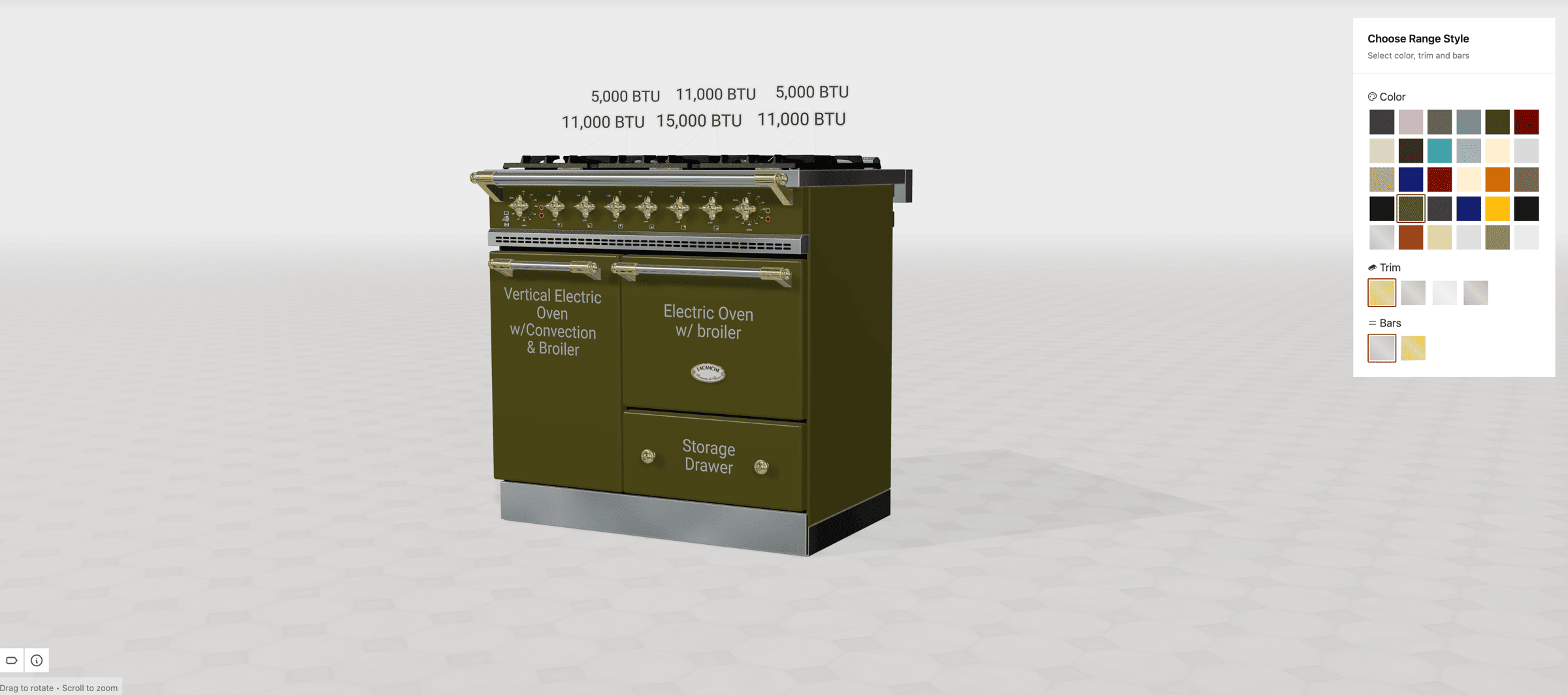
Lacanche range customizer. The dichotomy of a legacy Burgundy-based range brand that sells gorgeous old-world stoves with no timer, oven window, or clock, and has this almost video game-like range configurator is funny to me.
I wish more brands would put more thought into making their websites fun.
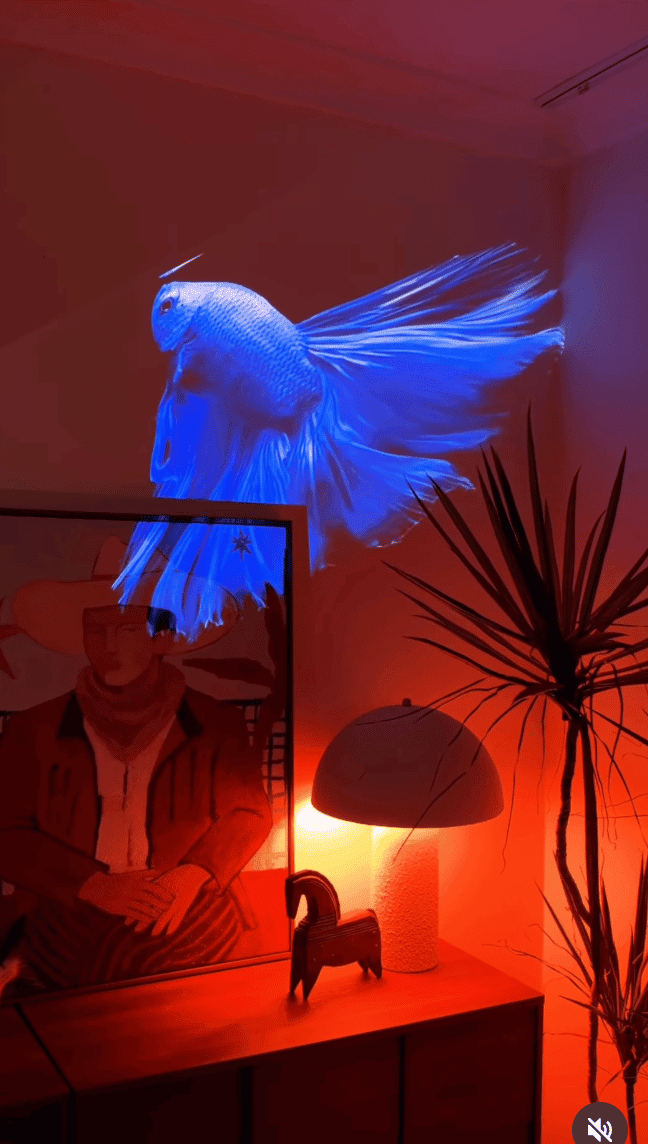
Fish projection. Genius. If you project a black background screen saver of fish on your living room wall, fish will just swim on your living room wall.