lived in design
We've been spending time at my parents' house this week. My kids are sleeping in my old room. My grandfather had this colonial-style house built in the 1960s for his growing family.
I grew up visiting about once a week for dinner, frequently sneaking down to the basement to poach another Canada Dry or grape soda from the 1950's GE fridge (still proudly running), and would typically attempt to get 3 deep before I was abruptly cut off.
Our family moved in when I was in 5th grade as my grandparents downsized, and my parents needed space for their growing family.
Now I am back with kids of my own, seeing it with different eyes.
I would describe the look of the place as warm, loose, unpretentious, and storied.
There's a jade plant my mom has had since college; she is a big plant lady.
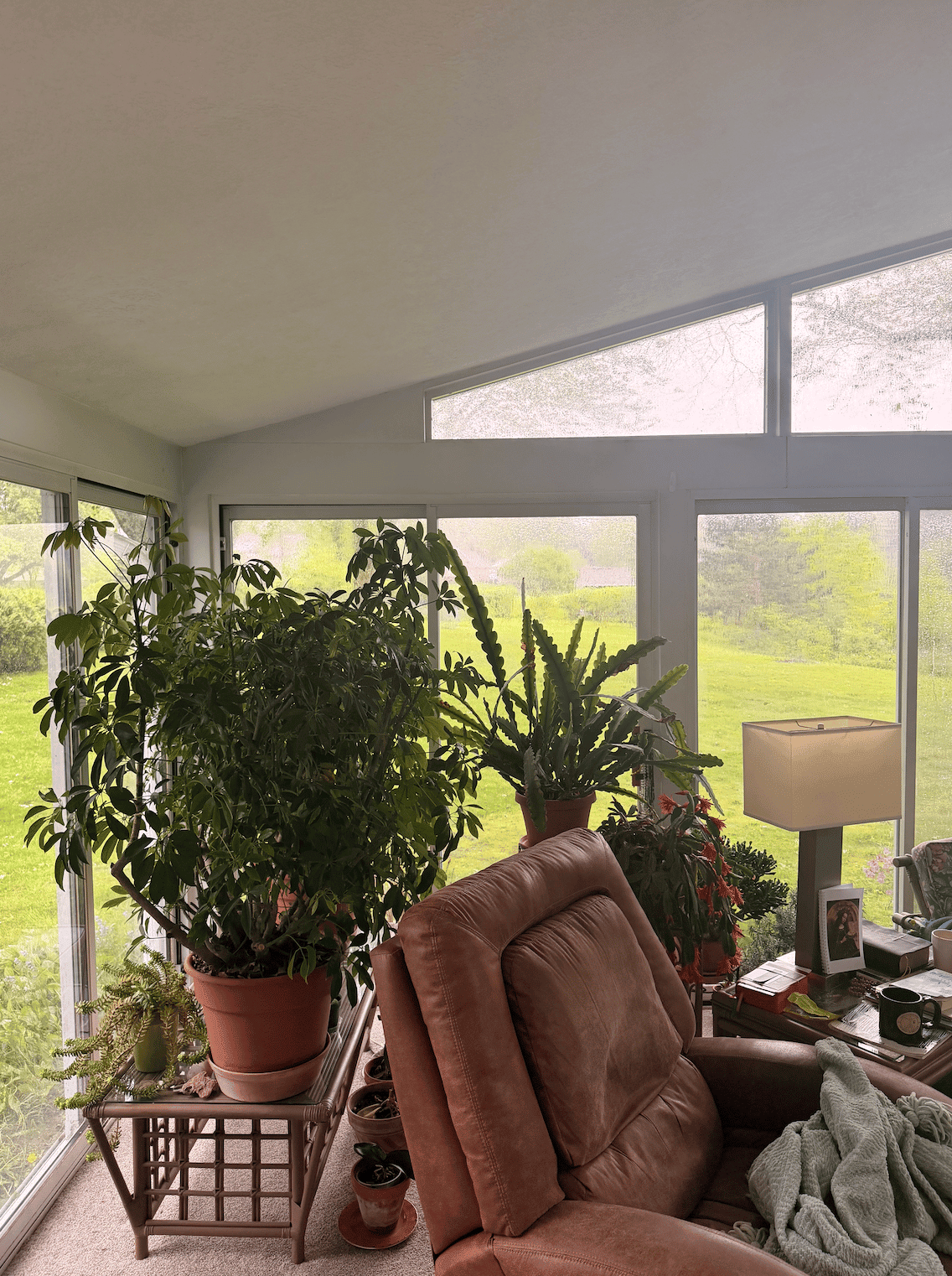
The sunroom, everyone's favorite room
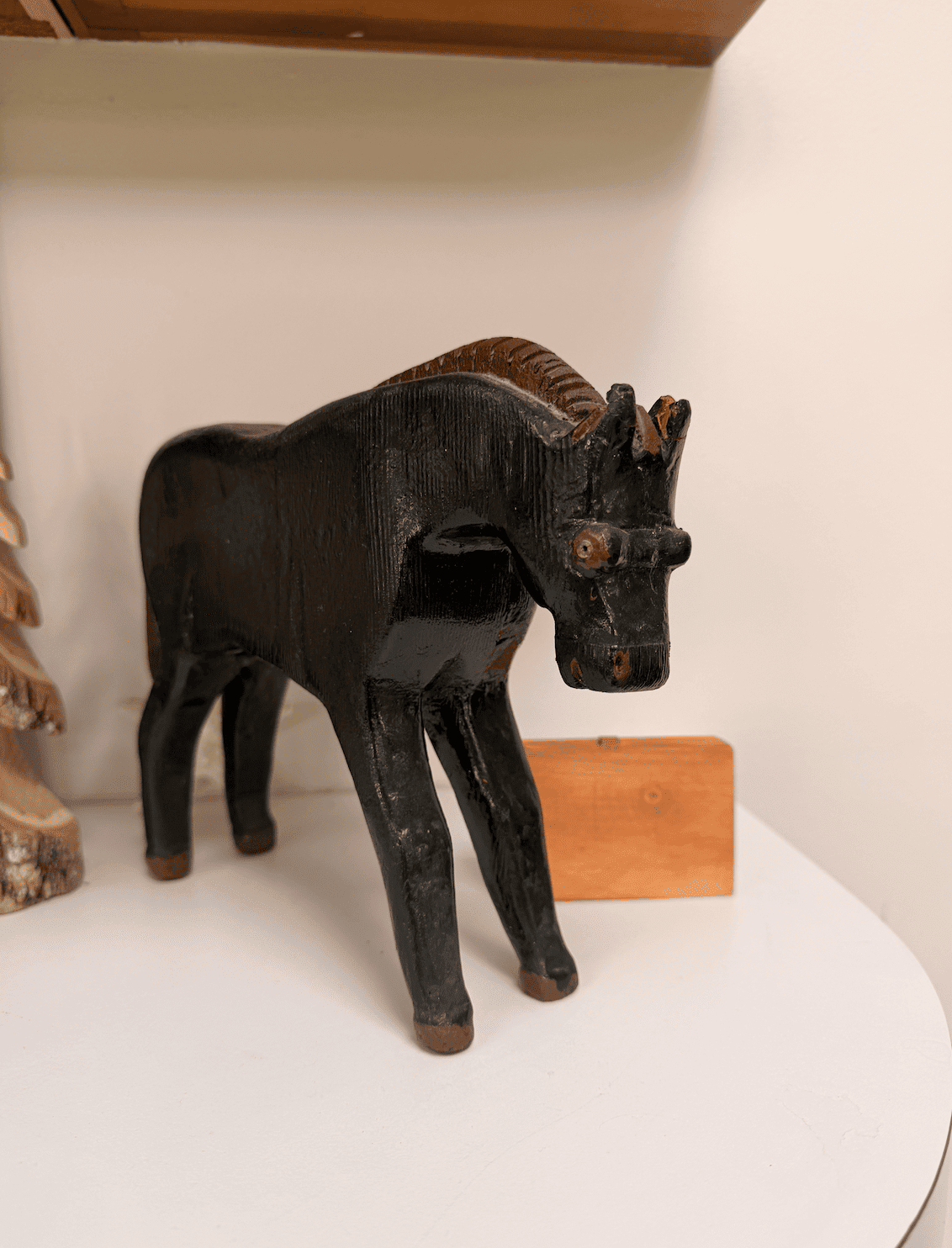
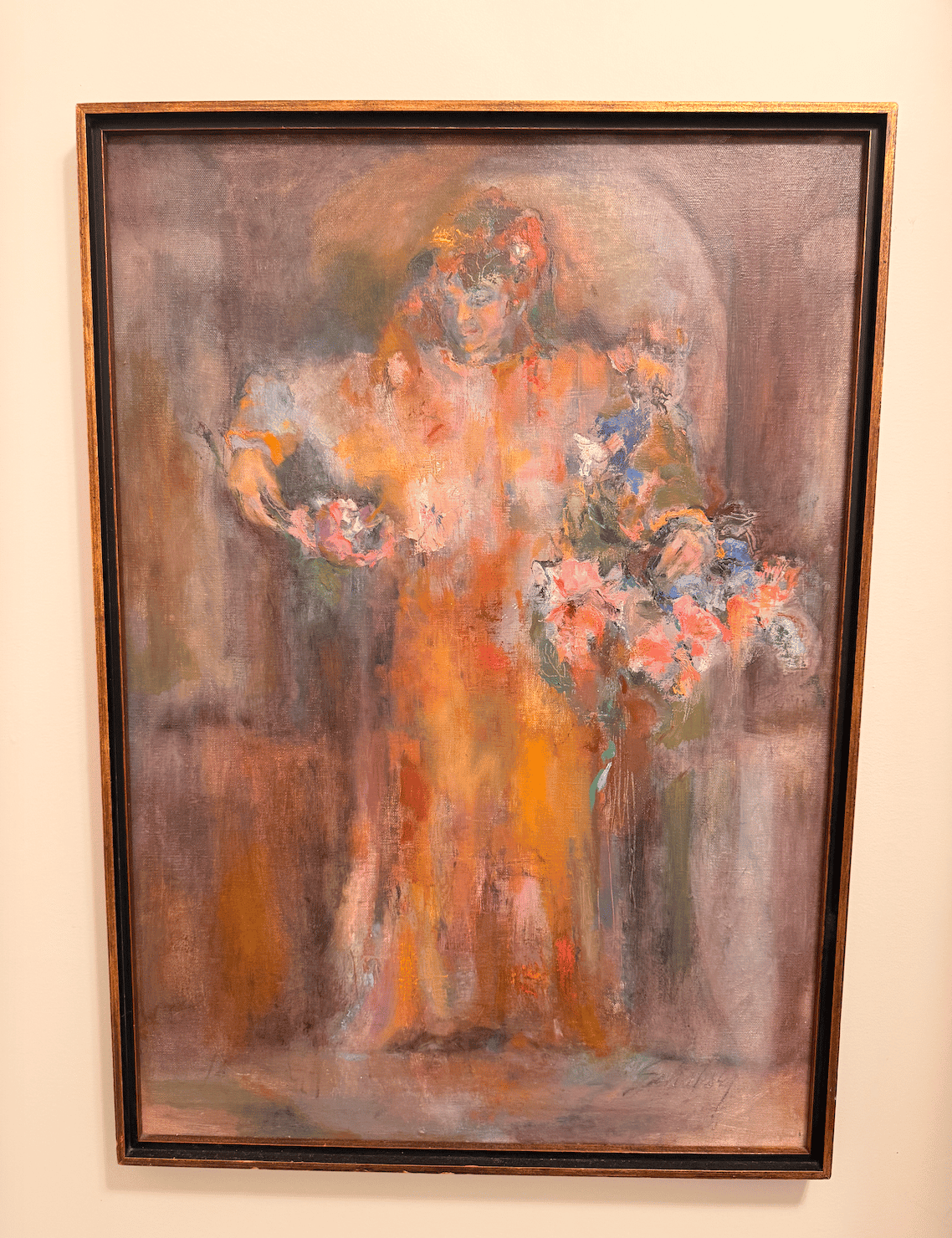
A table my great-grandfather made. A carved horse, another great-grandfather made. A painting my Grandma Norma did in the 80s.
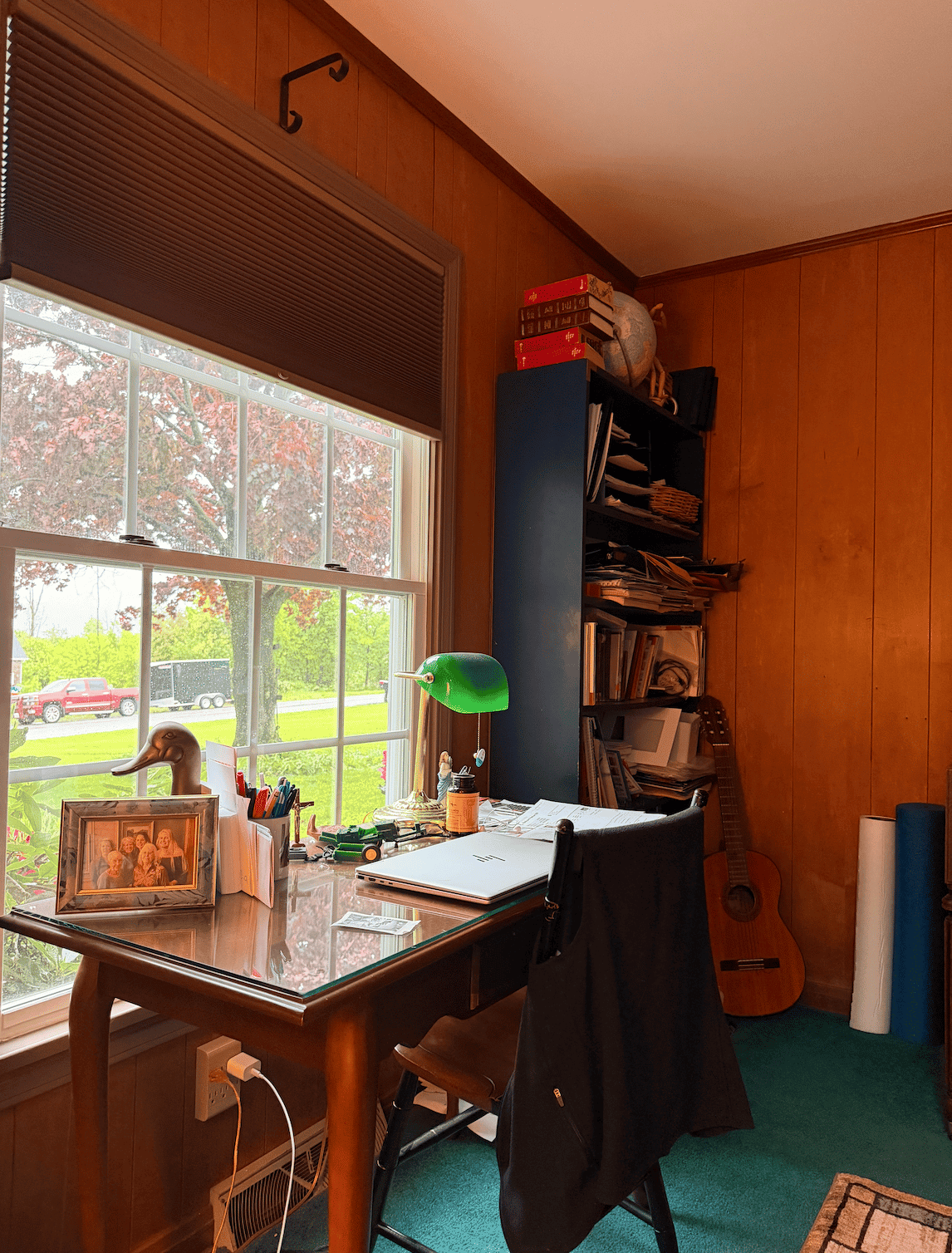
Wood paneling, teal carpet, and lots of books in what was my beloved grandfather's den, this is almost completely untouched from the way he lived in it.
None of it is designed to go together. There's no mood board. But this relatively loose collection of objects and many stories is compelling and an authentic approach to design. These things found their way together over the years in a way that made sense for my parents.
Tight design is wonderful — a specific mood, a ruthless filter, everything hyper curated and dialed. It's awesome, but it does not always leave room to tell the story of life, which is usually far messier.
What I think actually works for many more folks is loose or lived-in design. A collection of beautiful or at least interesting objects that don't necessarily match. Each one arrived at a different moment, passed down or created by a different person from different chapters in your life.
The best way to do this is to find or create some through lines either with the architectural style of the home, or in pairing things that aesthetically make sense together (that paneling and teal carpet is an absolutely deadly color combo - didn't realize this in my younger years).
Loose design tells the story of how life actually goes. Zigs and zags, good times and bad, all the different people along the way. You cannot buy or curate your way into this.
It takes time. It has to be lived to be built.
music for its own sake
We got a really nice audio setup a month ago — Klipsch The Nines, an Orbit Plus turntable, and a REL Acoustics Planar subwoofer.
REL makes subwoofers and nothing else, which was very strange to me at first, but I totally get it now.
I talked to a few companies about a listening room partnership, but these guys are totally obsessed with creating the best low-end possible.
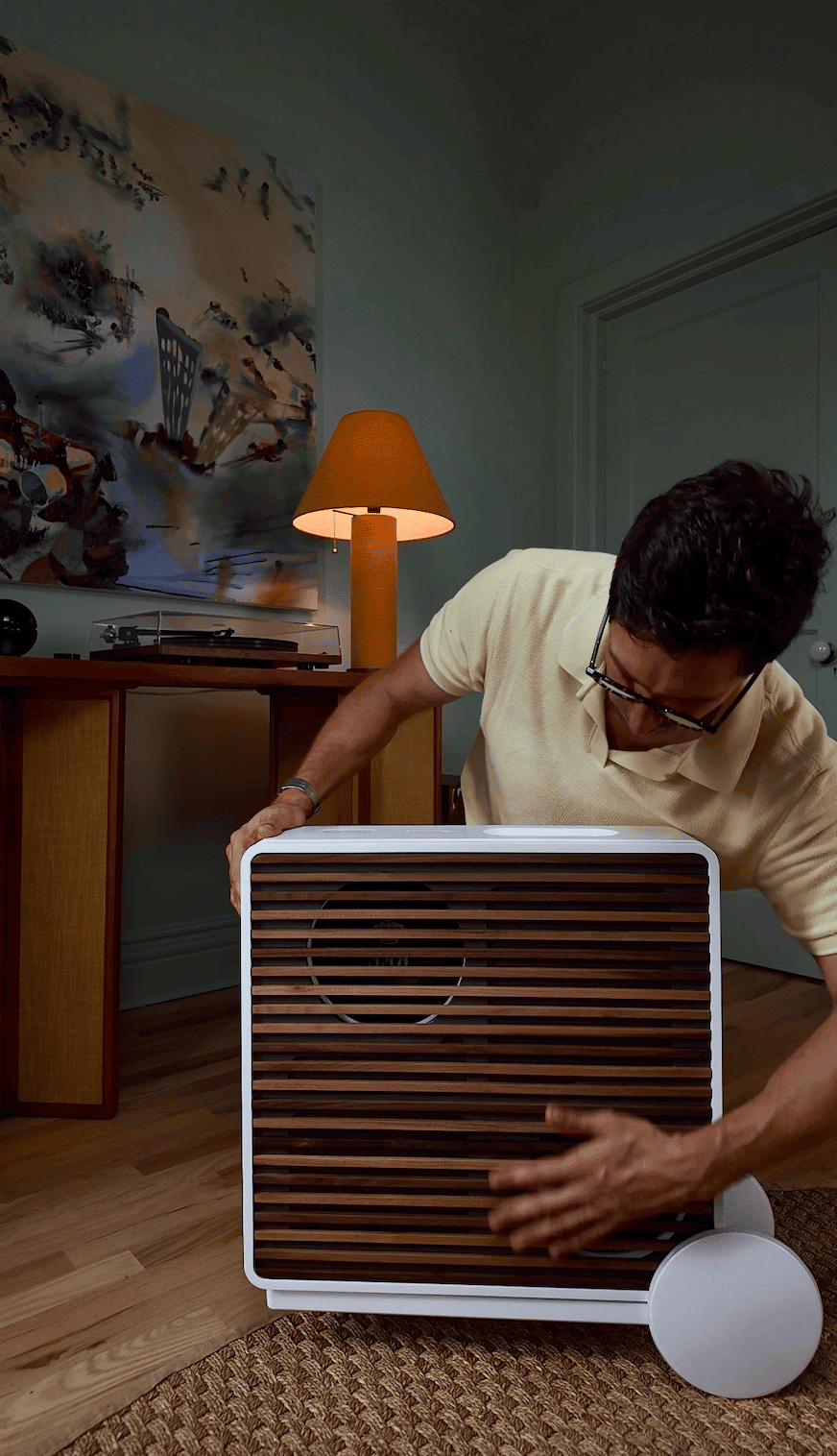
The Planar
Listening to music has become a singular activity again, not background noise. The warmth of full-spectrum sound hits you in your gut. You feel music as much as you hear it, and it's not a volume thing.
There is so much there in the mix of a song that you simply don't hear when you listen on normal headphones or car speakers. Quite a bit of that is in the low end. A great sub gives you access to this richer picture.
I was listening to Tom Misch this week, an artist my daughter and I really like. On this setup, you can hear the frets of the bass, the ghost notes on the snare, the low woodiness of a kick drum, and the breathiness of certain words. It sounds like you're sitting in the middle of the session, right there in between the players.
Music used to be its own destination — church music, opera, someone playing a violin in their living room for their family. Now it's everywhere, which means it's nowhere. Background noise. Something we consume while doing something else.
Getting it back as a thing you actually do has been one of the better decisions we've made for our home. It's hard to put words to what a proper subwoofer does to a room. It has to be experienced.
bed alcoves
Kids love building forts. My kids like to go "camping" every morning. Two blankets and the side of a chair, and we've got instant safety and refuge. Pure instinct that seems universal.
A Pattern Language by Christopher Alexander is one of my favorite books; it's a manual for architecture, design, and urban planning that feels good to human beings.
It's not technical - a very soulful approach to design and architecture.
One of his rules is to create bed alcoves instead of just a bed in an empty room. This is a photo of Condominum One from Sea Ranch I recently came across.
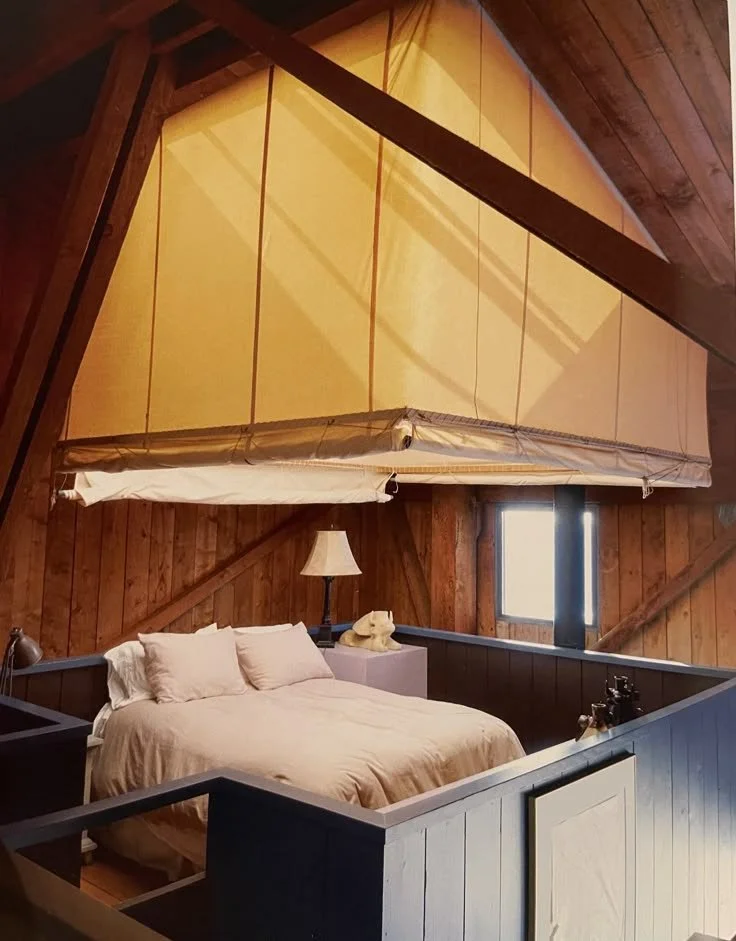
via Pinterest
Also loved this tented bed by Paolo Genta.
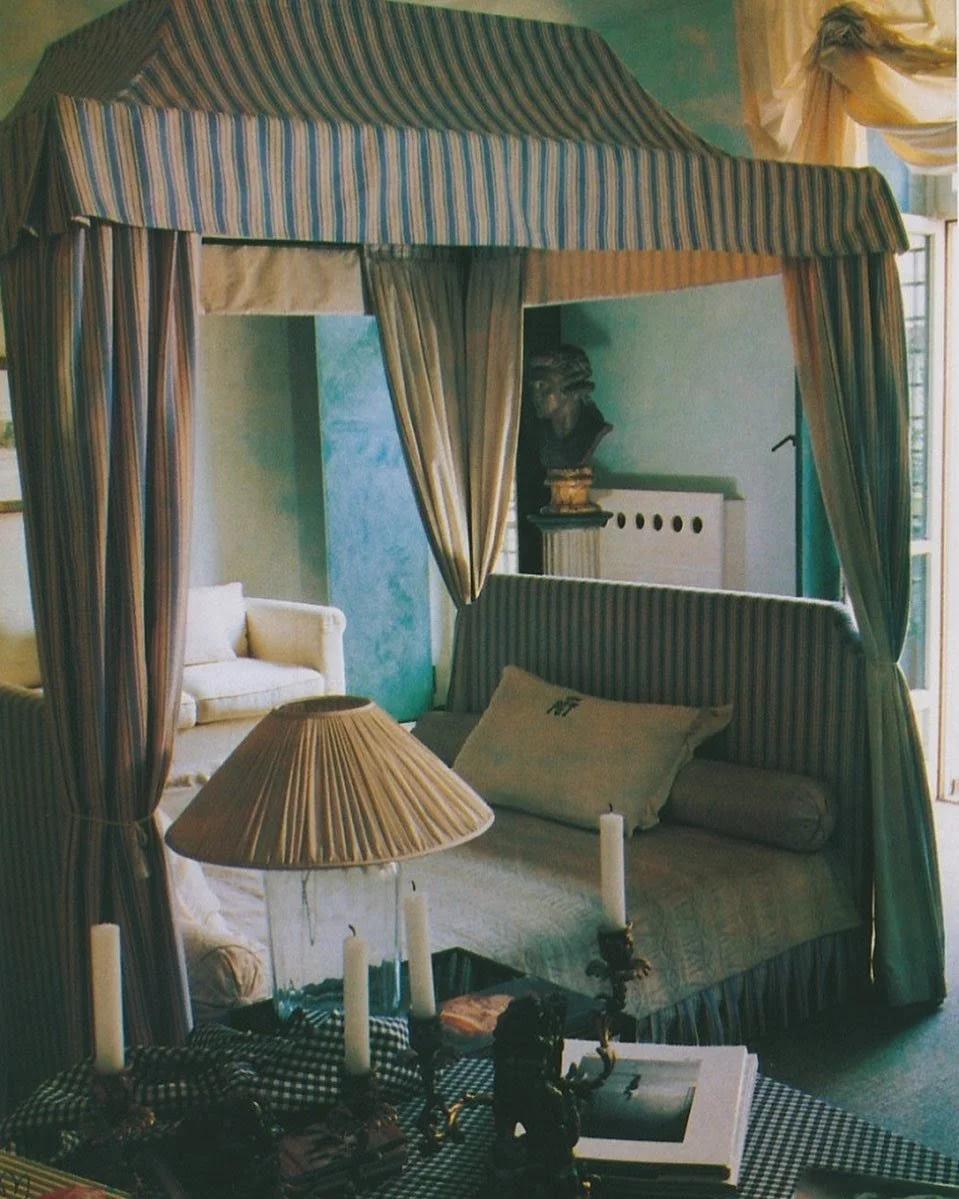
An interior from a country house in Italy, designed by Paolo Genta
So many different ways to do this. It's counterintuitive, especially today, but bedrooms have just been getting bigger and bigger, to the point of absurdity.
I think we are already seeing a reversion to the cozy in many cases, and this could be one way.
set pieces
The public side of interior design, at its core, really revolves around creating vignettes for photography.
And set design is the art of the vignette. I've been going down a little bit of a rabbit hole of some of these.
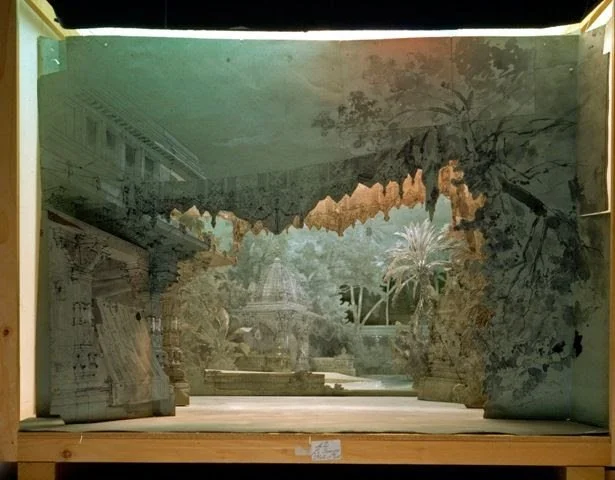
If you look at a lot of beautiful old and new sets, even though styles and colors change, they "feel" like you want your home to feel. They enclose you, and they hint at things out of frame that you cannot see.
They make you want to explore.
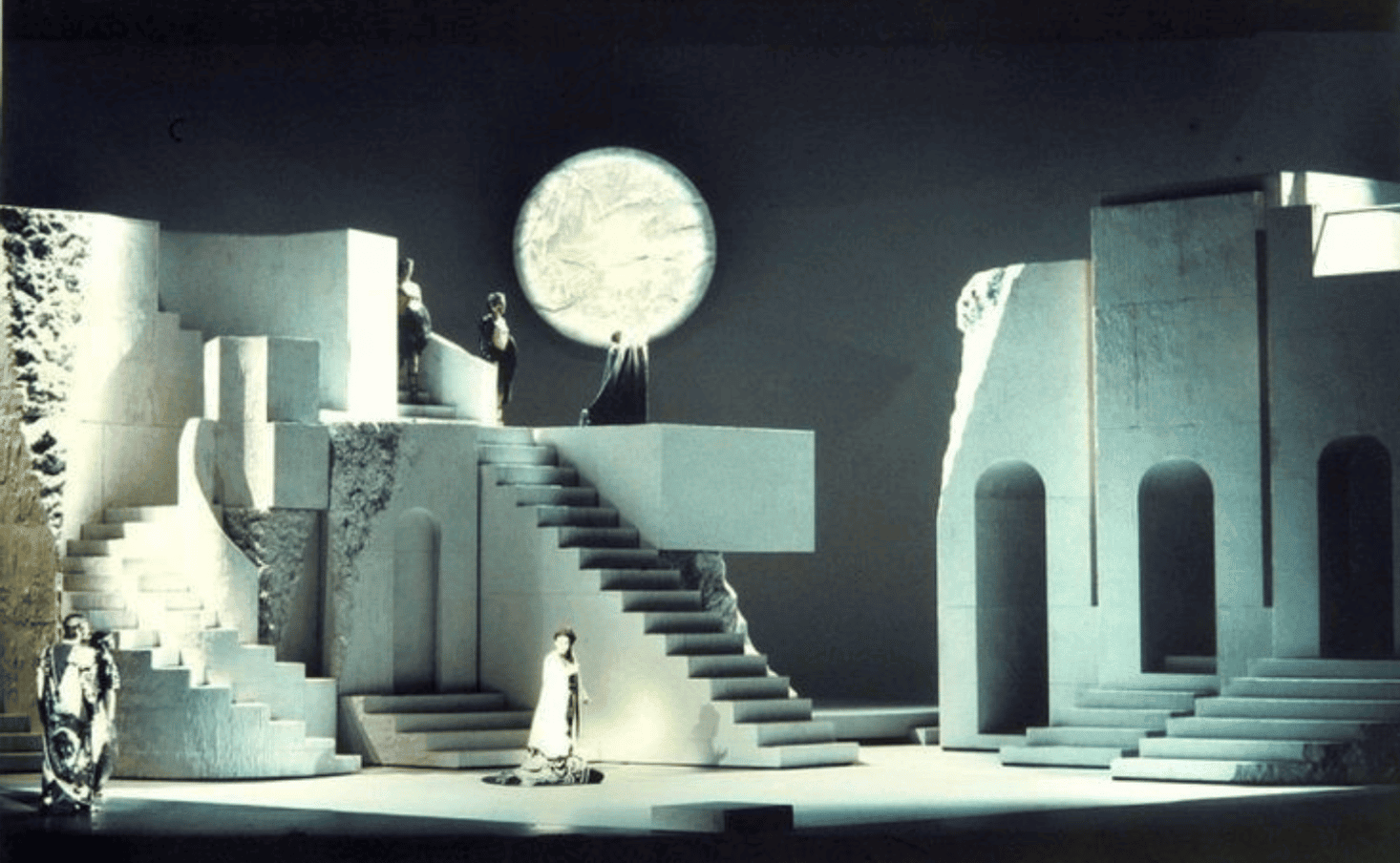
Set design for the opera The Trojans by Josef Svoboda, 1969. Photo by Jaromir Svoboda
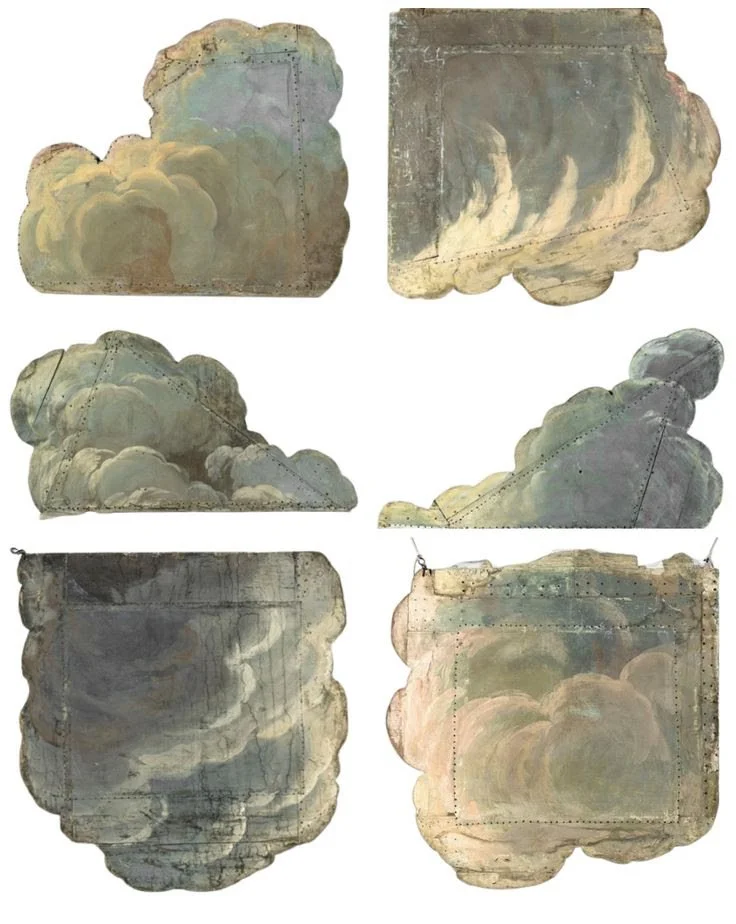
I also keep thinking about how absolutely remarkable individual panels would be as wall art in a home. So good.