
trends for 2026
Every time I write about trends, there's a part of me that feels like a bully - telling people what they have and don't have and how it will be in or out of style.
Some people react as if I had personally attacked them - something along the lines of "I hate trends" or "you're just promoting disposable consumerism," blah blah blah.
I have no desire to be a bully, but I believe trends are a double-edged sword, just as good as they are bad.
It's a spectrum with innovation and creativity on one side and consumerism and keeping up with the Joneses on the other.
What made 1970s design so standout?
Why, trends, of course.
Bold prints, shag carpet, modern rounded shapes, reflective surfaces, conversation pits, rich earth-toned colors. You may love it or hate it, but this period's iconic status is 100% the product of consumer trends and culture all getting on board.
Same with any design period, like Art Deco, Rococo, or anything anyone has ever liked.
Trends give us contrast, they give us history, they give us aspirations, they give us something to position against, and they give us something to do.
If you have reached the age when you will never buy anything else, you are set for life, and your furniture, decor, and clothing are perfect; God bless you.
I think that's extremely cool, and feel free to disregard the following.
For everyone else, here are a few that I couldn't help notice.
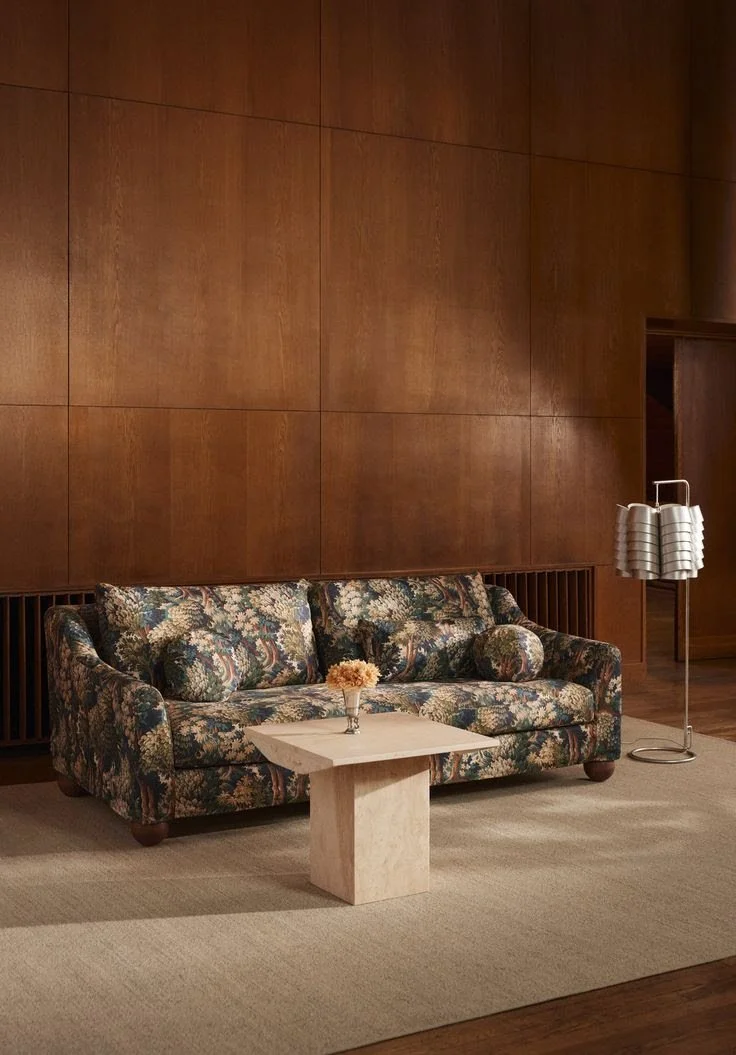
bold print sofas
It's been over 2 years since I first wrote about print sofas online. I am floored by how much this has expanded in just the last couple of months.
Anthropologie, to their credit, had a 2-year head start on this, followed by Soho Home & Urban Outfitters.
But everybody is getting in the game now. Arhaus. West Elm. CB2. Williams Sonoma. The entire Wayfair ecosystem. Joon Loloi.
And not just florals and stripes, animal print too.
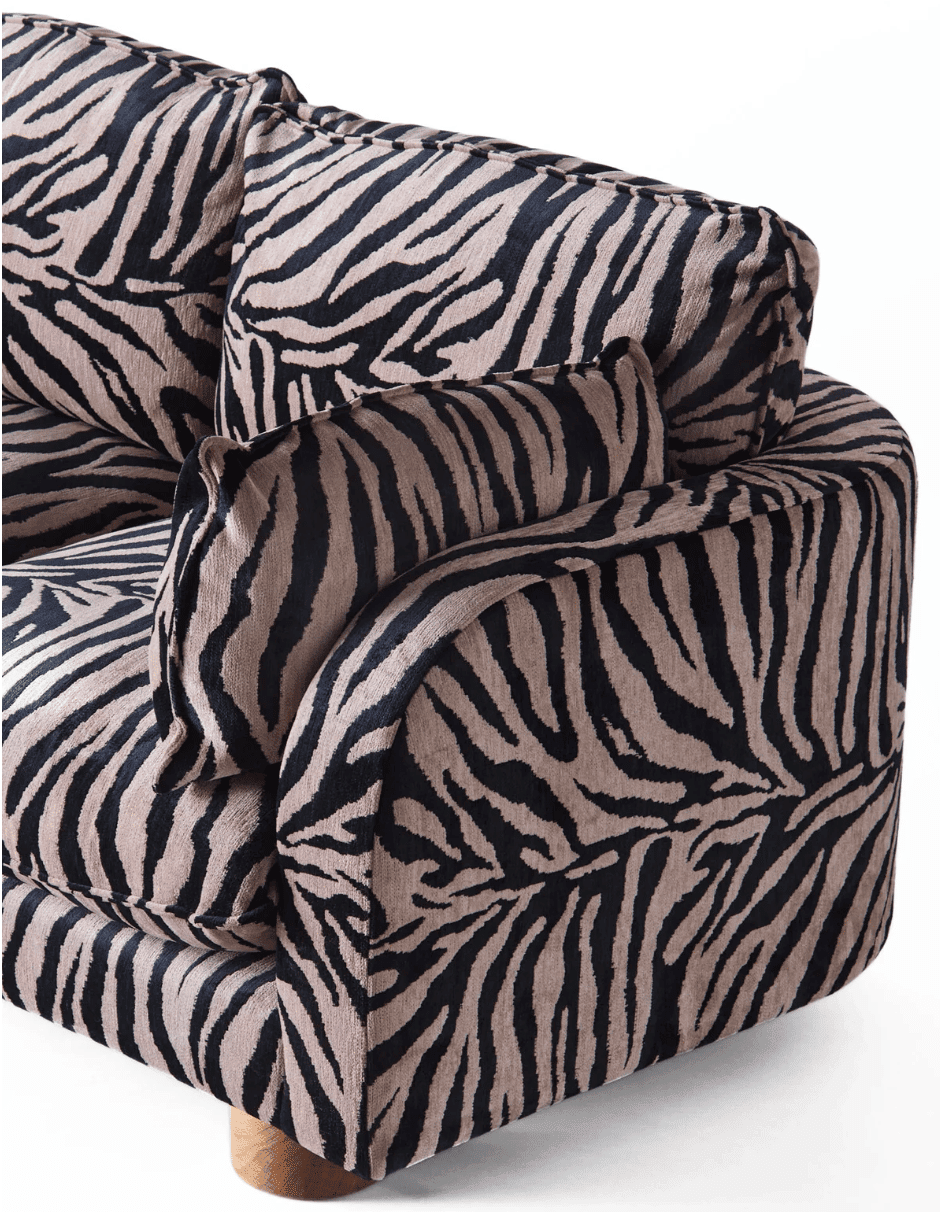
Miles Sofa in Zebra - That Cool Living
I can only conclude they must be selling. I say go for it, it feels fresh.
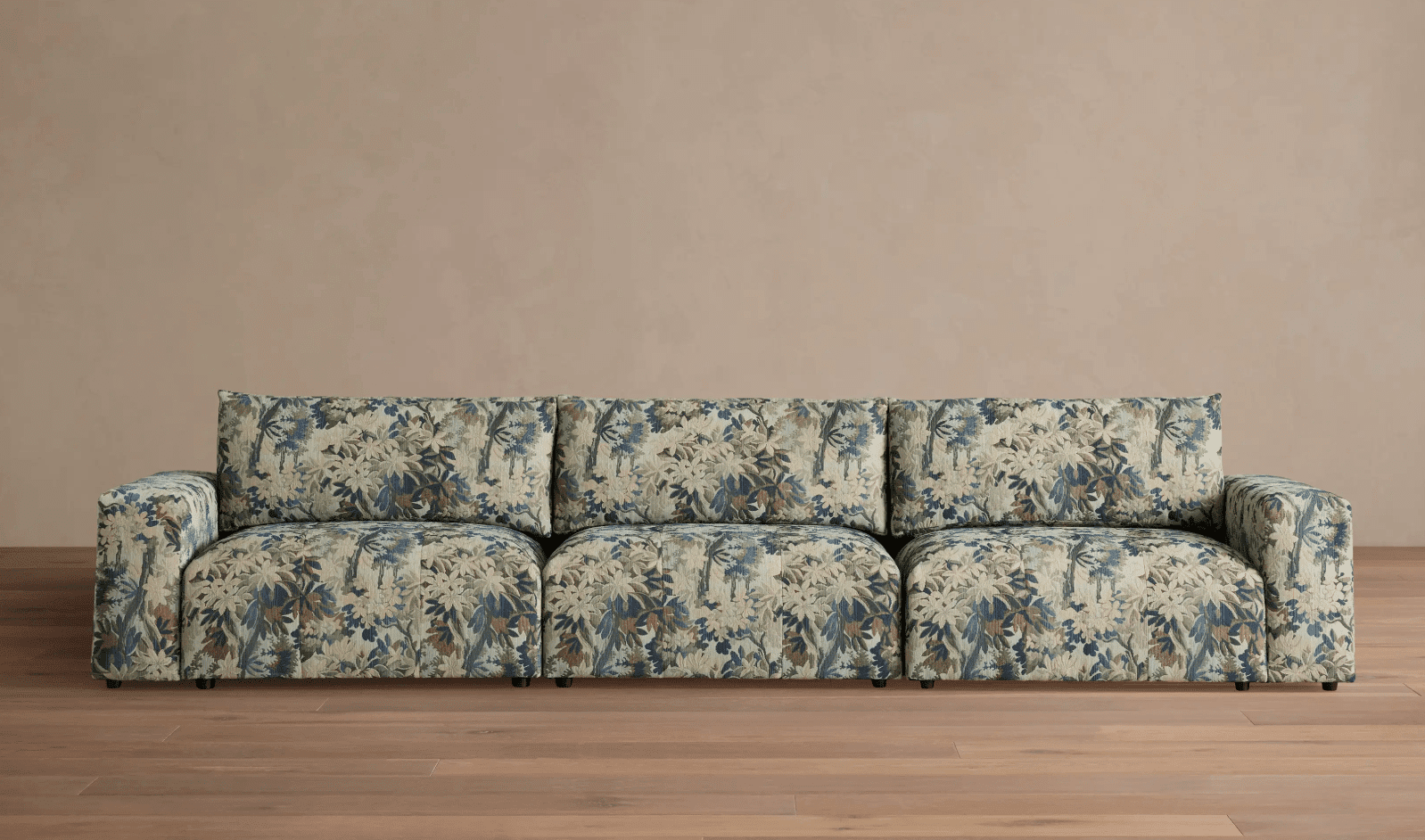
Keegan by Arhaus
incandescent lighting
For the better part of a decade, we've been told LED lights were a better technology that consumed less power and were more reliable in homes.
While the "consume less electricity" part seems true, we are also seeing a major counter-trend that continues to gain steam, of people getting rid of all the LED lighting in their homes and switching back to incandescent... so much for less consumption.
It started 5-6 years ago with blue-light-blocking glasses when looking at a computer. I am a devout disciple of blue blockers, as looking at a computer screen all day really does hurt my eyes.
Then it moved to nighttime mode on phones, part of the same movement. Every sleep guru will tell you not to use LED screens before bed.
Frequently online, I see people talking about getting rid of LED bulbs and swapping them for incandescent bulbs.
There were many comments about this on a recent video I made about lamps. Lots of people want the ability to use whatever bulb they like - they don't want pre-fixed LED only.
I think you are going to see a significant shift back towards incandescent-friendly lighting over the next couple of years.
general unplugging
Gary Vaynerchuk, one of the most reliably correct voices in marketing, recently released his 2026 Consumer Trends list, which includes the unplugging of Gen Z & Gen Alpha at #2. The internet has been a constant presence in their lives, and they no longer want to be on their phones all the time. I think we all feel this, to some extent.
At the same time, I've noticed things like board games, game tables, vinyl records & tapes, physical books & libraries, gardening, aquariums & terrariums, all seem to be growing in popularity.
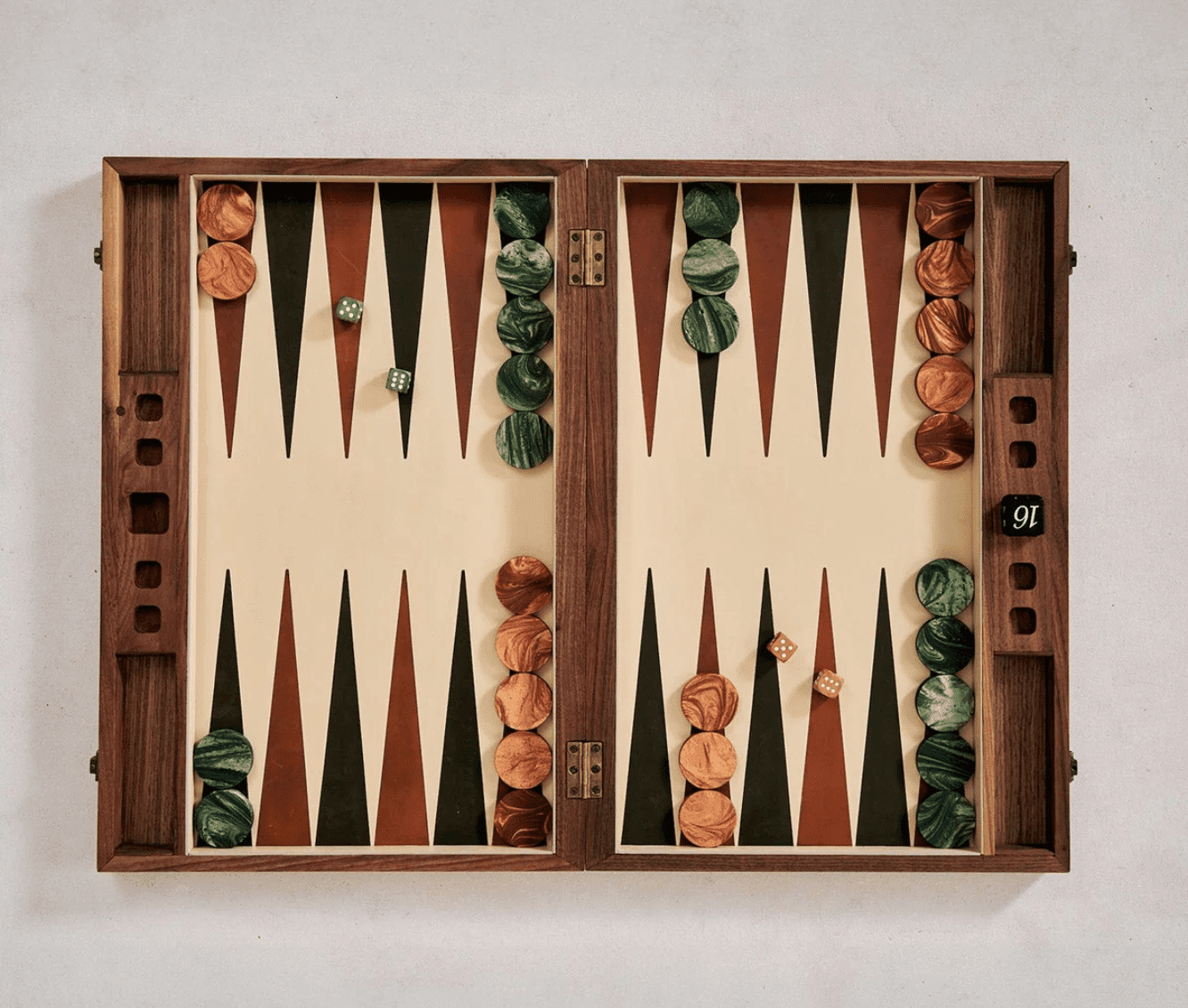
Backgammon Board - House of Leon
Not sure if you have caught the explosive rise of @chriskindareads on Instagram, but it's just him reading what seems to be about a book a day, including lots of classic literature like The Count of Monte Cristo or East of Eden, and reacting to how great it is.
Recognize where we are in the cycle for this to go viral.
From a design perspective, I think this means you'll see fewer screens in homes, more analog & library spaces, and more rooms centered on non-digital activities.
Another way to think about this might be, "the screen is no longer a status symbol."
carpet
Hardwood floors are not going anywhere any time soon.
BUT, all trends are on a pendulum, and I can't help but see what I see. I'm calling the early beginnings of the carpet revival.
First, there is an increased prevalence of wood on walls and ceilings. Wood paneling, wood cabinetry, and wood ceiling beams all have had something of a revival. Wood is now at eye level. That means there is inherently less visual need for it on the floor.
This project below, from designer Tamsin Johnson, was just featured in Vogue Australia. Maybe I'm wrong, but I don't think she would have done this a couple of years ago. We're deep enough into the hardwood era that carpet feels luxurious and exotic.
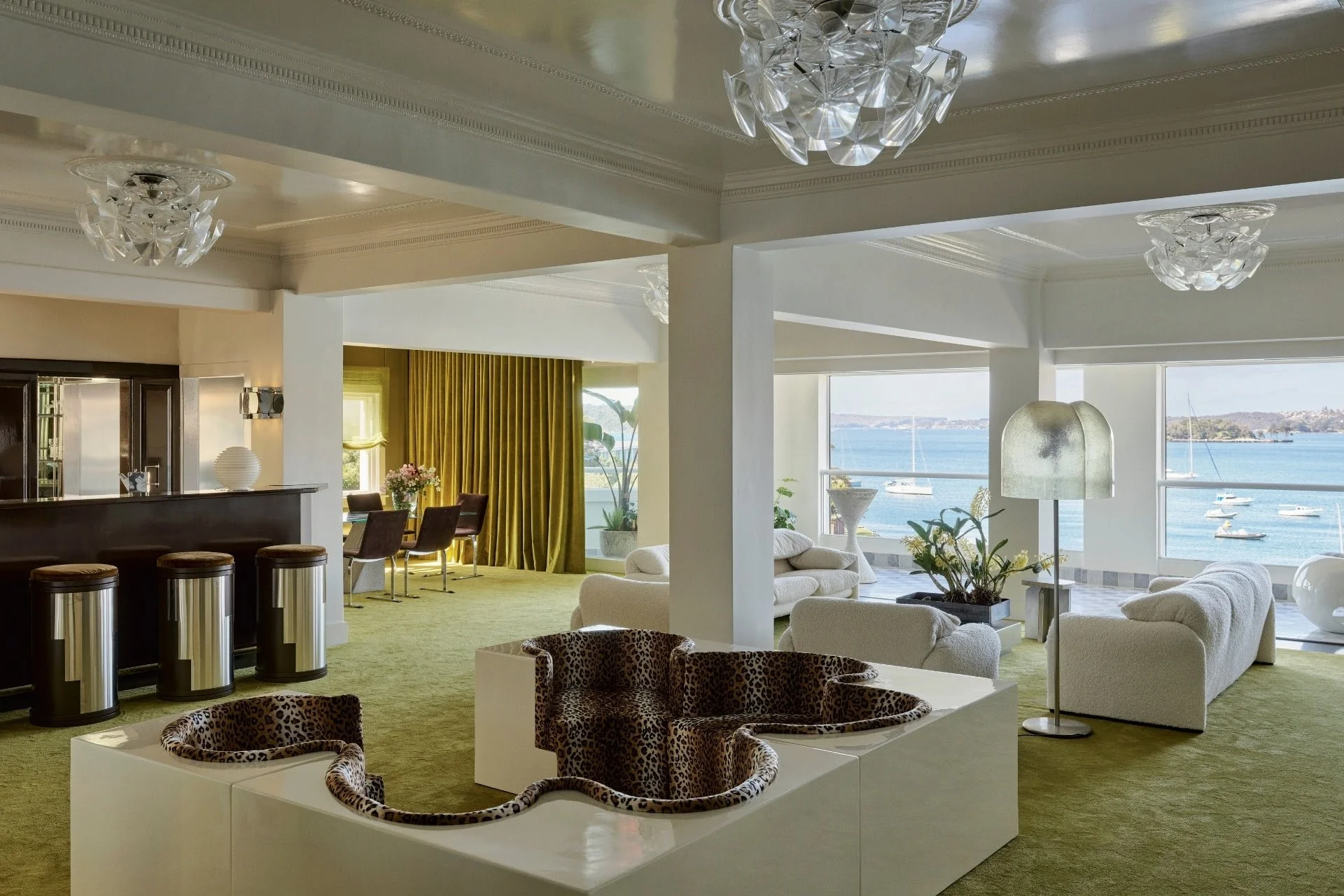
Emma Gott & Cameron McDonald Apartment, Elizabeth Bay, Australia. Designed by Tamsin Johnson, Styled by Joseph Gardner, Photographed by Anson Smart for Vogue Australia.
Rug company Nordic Knots has had an extremely popular run for the last couple of years, primarily due to their thick, subtly textured, but solid-color rugs, whose photography looks a whole lot like the carpet of 1970s/80s interiors.
If you get one of these in a 10x14, we're not that far from wall-to-wall here. They may be laying the groundwork for their own demise. We'll see.
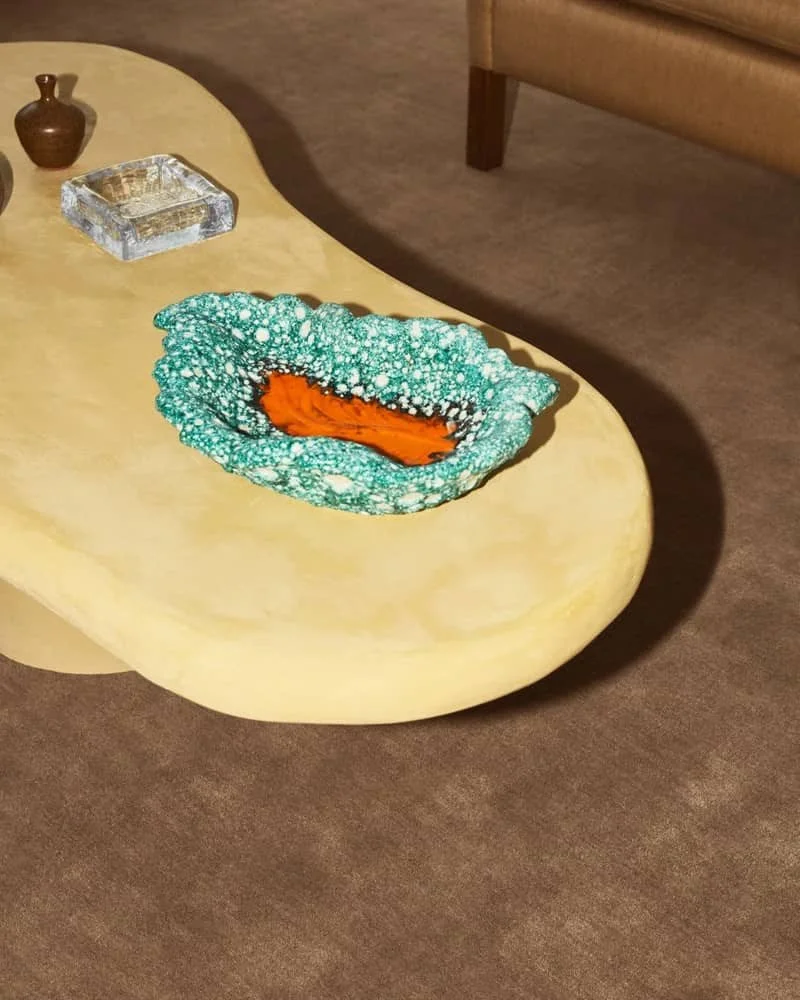
Grand Chestunut Plush - Nordic Knots
There are more trends I've noticed, like the colors red and blue becoming popular again, Grandma-chic, and the revival of classical art and oil paintings.
But alas, we are out of time; it's time for me to unplug and do the important work of being a dad on a Saturday. Until next time.
